
About Soma
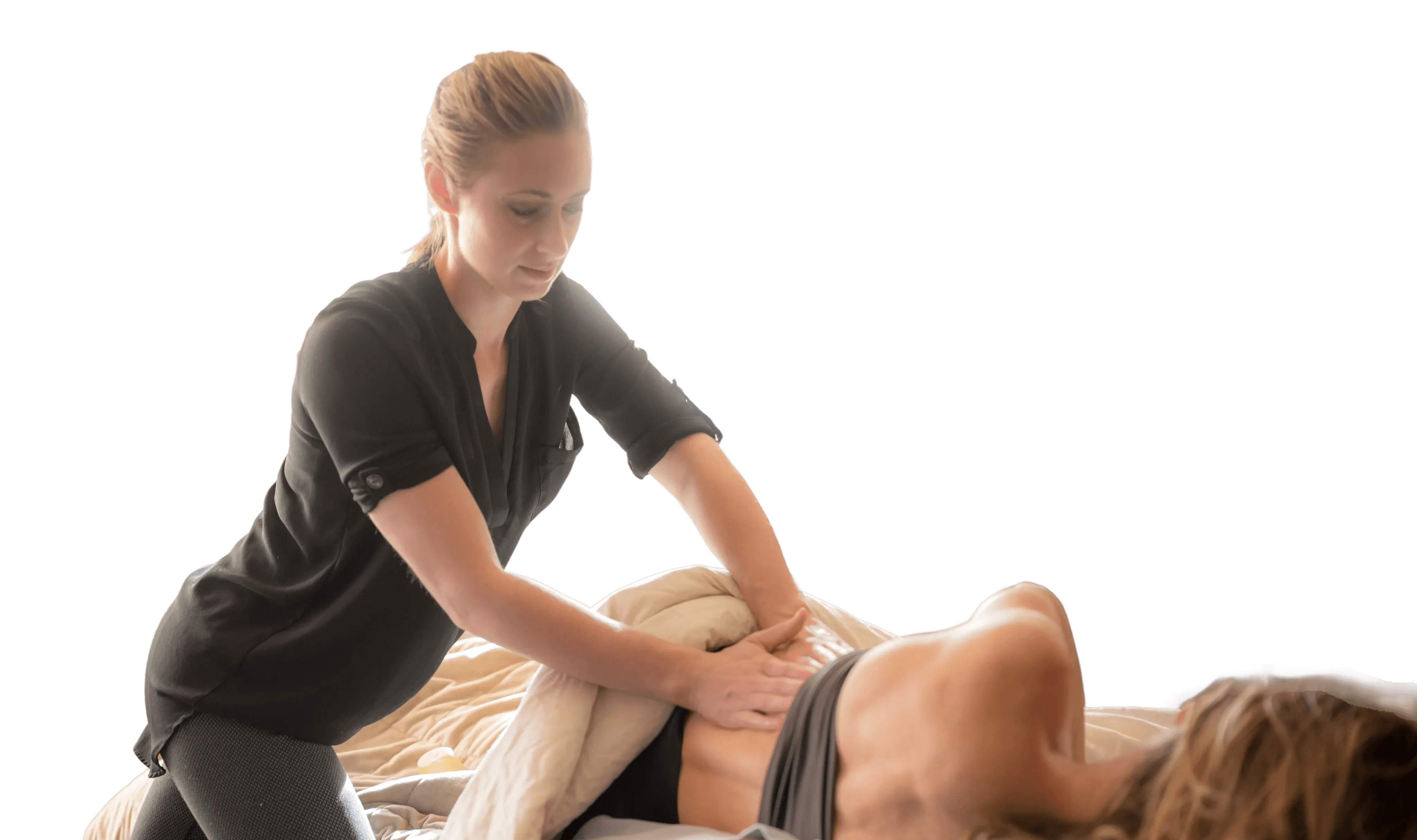
What a Soma Session Is Like
Sessions are client-centered and adaptive, combining:
Hands-on bodywork to release fascial restrictions
Guided awareness to reconnect you with your body
Movement and breathing exploration to support integration
This work supports both the physical body and the nervous system, helping your system downshift from chronic tension and stress.
Soma is not subtle work. Many people describe it as more intense than traditional massage, similar to deep tissue — but always intentional, communicative, and responsive to your body.
Most of us were never taught how to breathe, sit, stand, or move efficiently — and those habits add up over time. Soma helps unwind those patterns and build healthier ones.
Benefits of Soma Bodywork
Alleviate chronic pain
Improve posture and alignment
Increase mobility and joint freedom
Support nervous system regulation
Build sustainable movement patterns
Improve strength, balance, and efficiency
Conditions Soma Supports
Chronic pain (especially back pain)
TMJ and jaw tension
Injury recovery and prevention
Shoulder and back tension
Postural imbalances
Movement restrictions
Stress-related holding patterns
Who is Soma For?
If you have a body that moves (or wants to move better), this work is for you. Athletes, desk workers, people managing pain, anyone recovering from injury—Soma adapts to what you need.
Athletes
Optimize performance & mobility
Aging
Extend longevity & alleviate pain
Introspective
Improve alignment & vitality
Injured
Accelerate recovery & prevent injury

A Brief History
Soma is rooted in the lineage of Ida Rolf, whose pioneering work in structural integration profoundly influenced modern bodywork, physical therapy, and movement education.
Her research into fascia, alignment, and gravity laid the foundation for many therapies used today. Soma builds on that foundation with a more integrative, client-centered approach that includes awareness, movement, and nervous system support — not just manual manipulation.